

- Seu carrinho está vazio
- Continue comprando



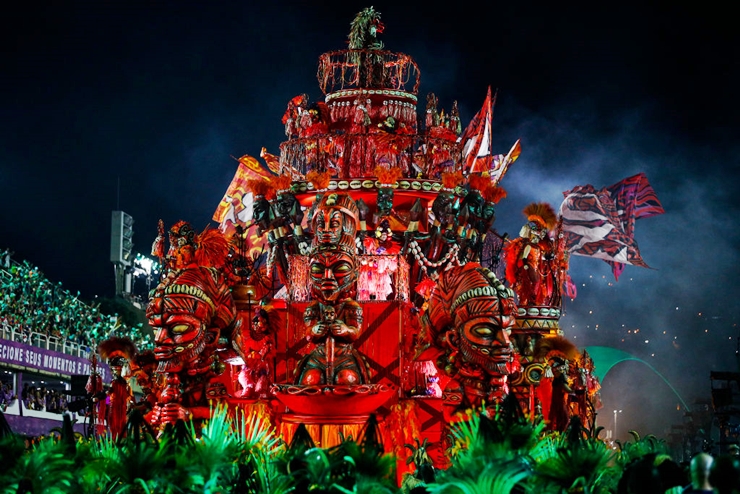
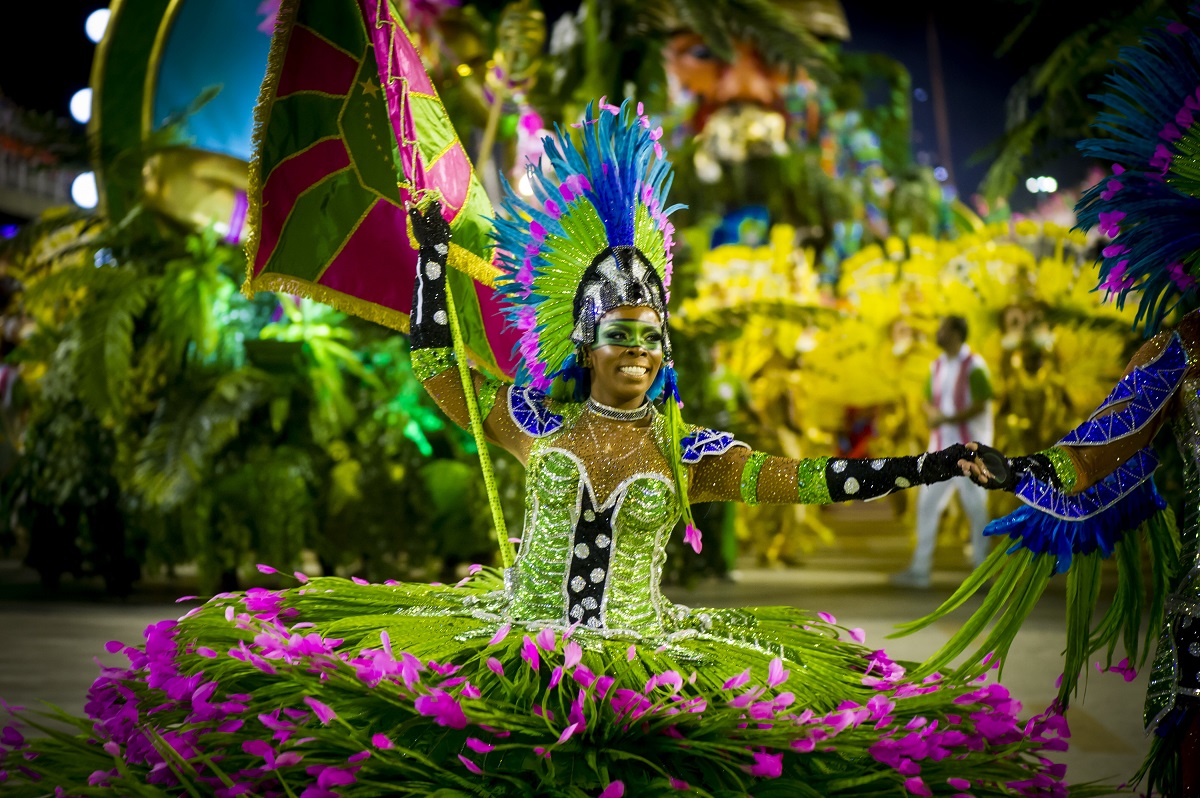
Neste site você encontra todas as informações sobre o Carnaval do Rio de Janeiro. Saiba aqui todos os eventos de 2025, localização, datas e horários, e a história do Carnaval do Rio. Também encontrará instruções de como comprar ingressos, fantasias para o Desfile e informações diversas sobre o Sambódromo.
Também disponibilizamos de pacotes completos para assistir o Carnaval do Rio nas arquibancadas, frisas e camarotes; fantasias para desfilar nas escolas de samba e tours.
Apesar do Carnaval ser comemorado em cidades e vilas por todo o Brasil e outros países católicos, o Rio de Janeiro é considerado a capital mundial do Carnaval. O Carnaval do Rio não é apenas o maior Carnaval do mundo, mas também um ponto de referência contra o qual todos os outros são comparados. O Carnaval é um dos mais interessantes eventos artísticos do Planeta.
Quase todo mundo já ouviu falar do Carnaval carioca. Além de receber turistas de todos os estados brasileiros, o Rio também recebe milhares de visitantes estrangeiros que somam cerca de 500 mil por ano.

Carnaval de Rua
Cada bairro no Rio de Janeiro tem o seu bloco favorito do Carnaval de rua. Há mais de 300 deles no Rio atualmente, e a cada ano esse número aumenta.
Cada bloco tem o seu lugar ou rua para seu desfile e os maiores costumam fechar as ruas para o tráfego. Eles começam seus desfiles geralmente em janeiro e estes desfiles duram até o fim do Carnaval.
Desde o início do ano, é uma visão comum grupos de pessoas dançando samba nas ruas do Rio nos fins de semana e durante o carnaval. Frequentemente, as pessoas que organizam o desfile do bloco, compõem a música do próprio desfile.
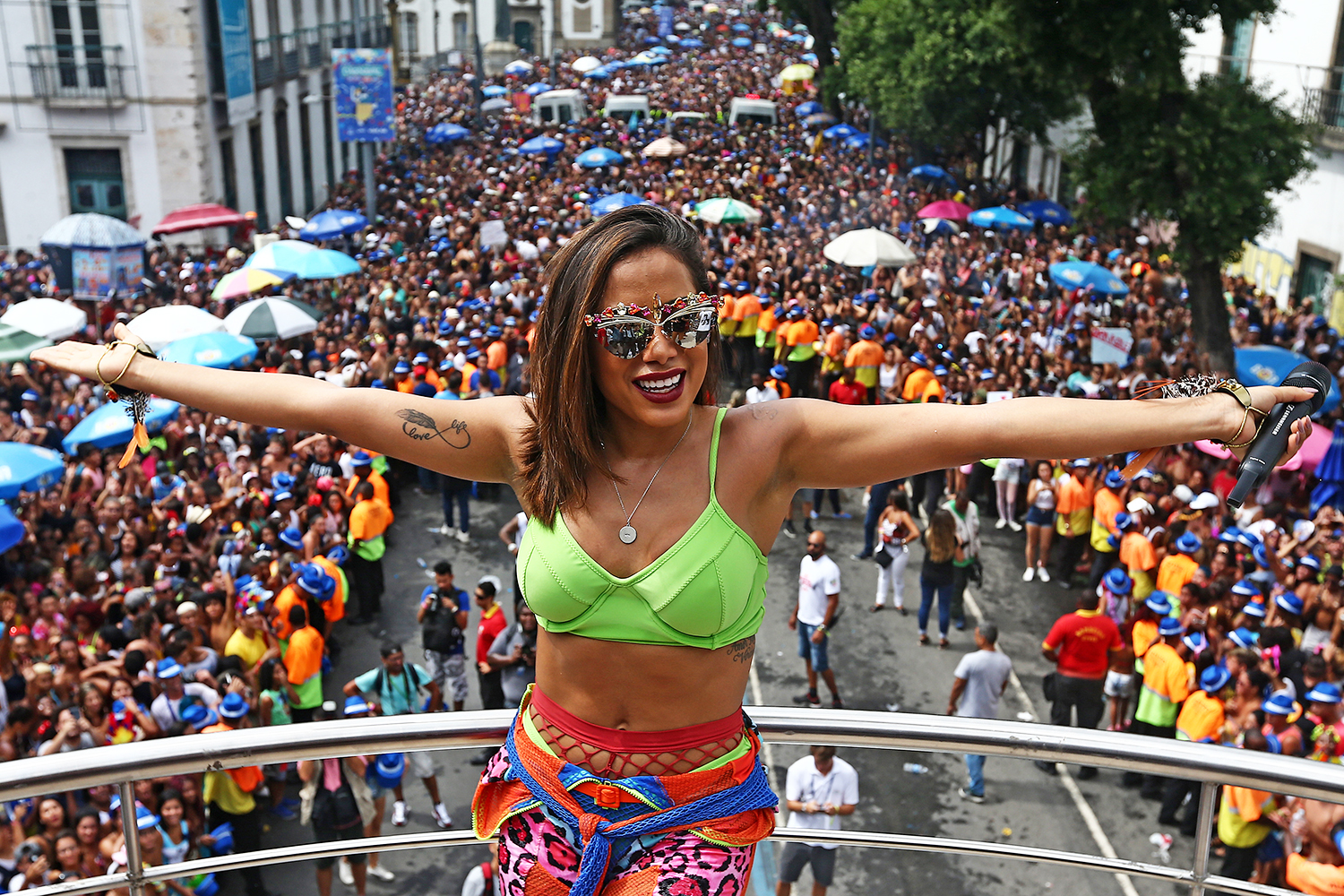
Os blocos de carnaval são compostas por uma banda, principalmente de percussão e sopro ou um Trio elétrico. Eles desfilam ao longo de uma rota predeterminada ou permanecem no mesmo ponto, porém, são sempre acompanhadas por hordas de foliões entusiasmados fantasiados, em trajes de banho, roupas simples e fantasias.